
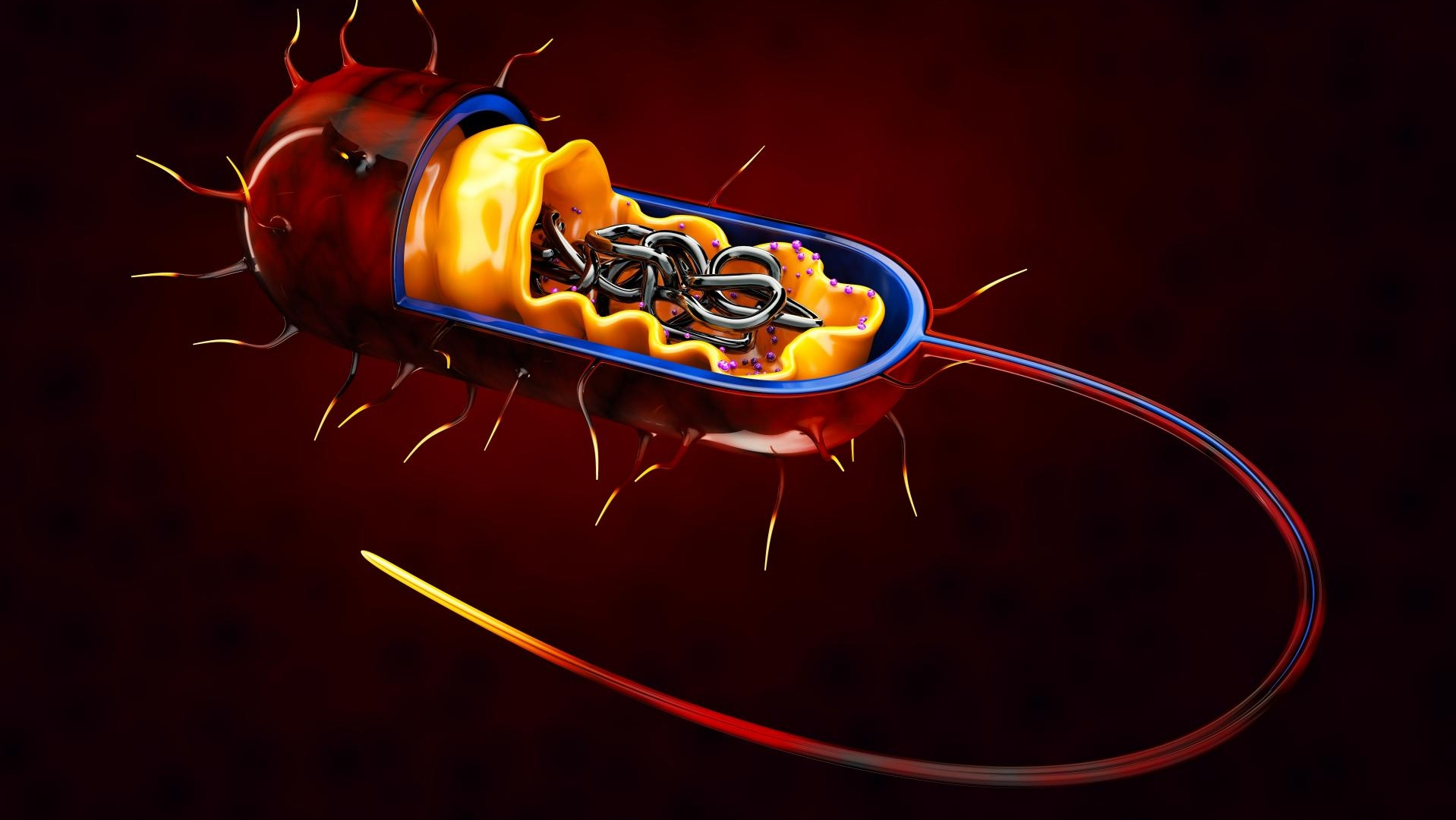
A plasmid DNA purification kit is widely used in molecular biology to isolate plasmid DNA from bacterial cultures. The efficiency of this process depends not only on the purification technology but also on upstream biological factors such as host strain and culture conditions. These variables directly influence plasmid yield, structural integrity, and overall nucleic acid extraction performance. Understanding how these factors interact is essential for achieving consistent and reliable plasmid DNA purification results.
Influence of Host Strain on Plasmid Yield and Quality
The choice of host strain plays a critical role in determining the outcome of a plasmid DNA purification kit workflow. Different bacterial strains vary in plasmid copy number, metabolic activity, and growth characteristics, all of which affect DNA production. High-copy-number strains generally produce larger quantities of plasmid DNA, improving yield during nucleic acid extraction. In contrast, strains with lower copy numbers or less stable plasmids may result in reduced recovery. Additionally, certain host strains are engineered to minimize nuclease activity or improve plasmid stability, which helps preserve DNA integrity during extraction. These biological differences must be considered when selecting a plasmid DNA purification kit to ensure compatibility with the chosen host system.
Role of Culture Conditions in Extraction Efficiency

Culture conditions are equally important in influencing plasmid DNA purification performance. Factors such as growth medium composition, incubation time, temperature, and aeration affect cell density and plasmid replication. Optimal culture conditions promote efficient bacterial growth and stable plasmid maintenance, leading to higher DNA yields during nucleic acid extraction. Conversely, suboptimal conditions may result in degraded plasmids or lower cell density, reducing overall recovery.
Endotoxin is a key interfering substance for downstream experiments. Along with proteins, it needs proper removal, especially for cell transfection applications, where endotoxin content directly impacts cell viability. The interaction between culture conditions and purification chemistry also affects contaminant levels. A well-designed plasmid DNA purification kit features tailored buffer systems and purification steps. It adapts to varied culture conditions, delivers low-endotoxin plasmid DNA, and helps secure satisfactory cell viability in transfection experiments while sustaining stable DNA quality.
Practical Perspective
Overall, host strain and culture condition are key determinants of plasmid DNA purification performance, influencing yield, stability, and nucleic acid extraction efficiency. TIANGEN Biotech (Beijing) Co., Ltd. develops plasmid DNA purification kit solutions that integrate optimized buffer systems and silica membrane technologies to support reliable purification from a range of bacterial cultures. TIANGEN provides products designed to ensure consistent plasmid DNA recovery while maintaining high purity across diverse experimental conditions.
