
Sustaining consistent growth in modern telecommunications requires a rapid, highly flexible response to shifting consumer expectations. Traditional operators frequently struggle with rigid, decentralized databases that fail to update customer records during live interactions. Adopting a modern telecommunication CRM architecture allows businesses to synchronize subscriber information instantly, helping teams make informed operational decisions.
These updated cloud-native systems replace slow manual processes with unified, automated pipelines to manage high transaction volumes. Providing a single source of customer truth across all active platforms minimizes administrative friction and billing delays. Transitioning away from legacy frameworks is a necessary step for organizations aiming to keep pace with rapid global digitalization.

Understanding the Downside of Monolithic CRM Silos
Legacy operational support systems often store critical billing data separately from daily customer service logs. This fragmented setup prevents staff from resolving customer inquiries efficiently, causing prolonged call center wait times. Operators must dismantle these barriers to offer the fast, unified services that modern consumers expect.
By consolidating data pathways, enterprises can easily track subscriber interactions from initial sales to ongoing network maintenance. Utilizing the robust systems designed by Whale Cloud helps companies transition to open, modular digital architectures. This modernization helps databases remain highly responsive and synchronized, preventing costly operational delays.
The Power of Real-Time Marketing Automation
Broad, non-targeted advertising campaigns rarely succeed in today’s highly competitive, fast-moving digital marketplace. Modern subscribers expect context-aware promotions that align perfectly with their current usage trends and personal preferences. Transitioning to automated tools helps marketing departments deliver precise, high-value campaigns without manually parsing massive databases.
A unified marketing automation platform, such as the Digital Marketing Cloud, enables operators to coordinate cross-channel campaigns smoothly. This central hub uses real-time data to personalize promotional messages across SMS, email, and mobile applications simultaneously. Utilizing this technology helps communications remain highly relevant to every individual subscriber.
Streamlining Omnichannel Workflows with Campaign Automation
Managing simultaneous marketing campaigns across multiple physical and digital touchpoints frequently introduces coordination errors and inconsistent brand messaging. Standardizing these workflows through dynamic automation software helps marketing teams maintain complete control over their promotional schedules. This systemization helps all outgoing communications remain timely and highly accurate.
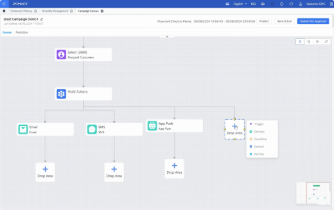
With the integration of Campaign Automation tools, operators can intelligently automate and manage omnichannel campaigns with ease and efficiency. The system schedules delivery times and selects optimal communication channels based on real-time subscriber activity. This intelligent orchestration maximizes conversion rates while dramatically reducing the manual workload for marketing staff.
Elevating Subscriber Experiences through Interactive Design
Retaining mobile subscribers requires creative approach strategies that go beyond basic discount offers or data plan upgrades. Traditional engagement methods often fail to capture the attention of younger, tech-savvy demographics who demand active participation. Incorporating interactive elements into digital portals helps operators foster deeper, more meaningful connections with their user base.
Integrating Gamification features within self-service applications significantly enhances user interaction and fosters sustained engagement through game-like experiences. Operators can award digital badges, loyalty points, or small rewards for completing account milestones or trying new services. This interactive strategy transforms standard administrative tasks into enjoyable, rewarding experiences.
Modernizing Operations with Flexible Customer Platforms
Adapting to sudden market developments requires highly adaptable front-end systems that can integrate new software features rapidly. Deploying a versatile customer engagement platform telecom operators can customize easily prevents long-term technical lock-in. This open design allows companies to update separate functional modules without disturbing core database stability.
Using these flexible frameworks, Whale Cloud helps organizations scale their subscriber management systems in proportion to their business growth. The underlying architecture adjusts dynamically to support high-volume transaction periods, such as seasonal promotions. This resilience protects capital investments and keeps customer-facing systems remain fully operational.
Unifying Support and Sales Frameworks
Siloed operations between technical support teams and sales departments frequently result in missed promotional opportunities and slow query resolution. When support representatives lack access to sales history, they cannot recommend suitable service upgrades during troubleshooting calls. Bringing these teams together under a unified telecommunication CRM eliminates these costly coordination gaps.
This unified approach enables every employee operates with identical customer context, regardless of their specific department. The advanced systems engineered by Whale Cloud establish seamless data loops that link front-end interactions directly to backend networks. This connectivity optimizes operational efficiency and speeds up overall customer service delivery.
Designing Resilient Platforms for Future Scale
Selecting a scalable, modular customer engagement platform telecom organizations can rely on is essential for long-term commercial survival. Modern platforms must support incoming technologies like edge computing and automated IoT billing systems without needing expensive overhauls. Standardized interfaces and open-source APIs remain the ultimate foundation for building these future-proof setups.
Integrating automated software systems helps telecommunications providers remain highly competitive in a rapidly evolving digital landscape. Utilizing cloud-native architectures helps businesses can deploy innovative, data-driven features without risking system downtime. This commitment to modern, open standards prepares global networks for the next generation of connectivity.
Conclusion
Replacing rigid, legacy operational software with a cloud-native telecommunication CRM is crucial for maintaining excellent subscriber satisfaction. Leveraging unified automation platforms like the Digital Marketing Cloud enables precise cross-channel campaigns and interactive gamified experiences. These strategic upgrades streamline internal operations and maximize customer lifetime value.
Implementing an adaptable customer engagement platform telecom providers can trust supports every subscriber interaction remains fast, consistent, and highly personalized. Relying on modular frameworks designed by Whale Cloud helps companies scale their systems seamlessly to meet rising data demands. Standardized digital automation remains the key to thriving in a hyper-connected global market.
