
A generator supplier can deliver every order on time and still become a costly partner if replacement parts take months to arrive. For distributors serving African markets, the real test often begins after the machines reach customers: how quickly can a failed carburetor be replaced, who covers a valid warranty claim, and whether local technicians have the training to carry out repairs.
These details affect working capital, dealer reputation, and the ability to keep customers coming back. Before committing to a manufacturer, distributors need to understand how its spare parts, warranty, and technical support systems actually work.

The Commercial Risk of Aftermarket Failures in Volatile Grid Markets
Distributing power generation equipment across sub-Saharan Africa offers enormous revenue potential alongside severe reputational hazards. Equipment dealers in commercial centers like Lagos, Accra, and Johannesburg operate under relentless customer pressure.
Persistent utility load shedding forces end-users to run standby machinery for eight to sixteen continuous hours daily. Under such punishing operational cycles, even premium mechanical components experience accelerated friction wear and eventual mechanical breakdown.
Securing lucrative wholesale distribution rights requires vetting more than initial unit profit margins and ex-factory prices. Inexperienced distributors frequently partner with overseas factories that offer rock-bottom machinery prices but abandon local aftermarket logistics entirely.
Once retail customers discover replacement filters, spark plugs, or control solenoids are permanently out of stock, regional dealership goodwill collapses overnight. Evaluating prospective power equipment manufacturers strictly on their localized aftermarket capabilities constitutes the foundation of sustainable dealership profitability.
Auditing Fast-Moving Spare Parts Distribution Networks
A viable manufacturing partner must maintain an exhaustively documented, transparent inventory structure for consumable and high-wear components. Before signing distribution agreements, dealers must audit the supplier’s stock levels for essential wear items like gaskets, piston rings, carburetors, and fuel valves. Factories focused solely on assembly output often treat spare parts provisioning as an afterthought, prioritizing complete container shipments over replacement components.
Leading industrial generator manufacturers design structured parts catalogs with cross-referenced part numbers and clear minimum order quantities. Tier-one suppliers maintain dedicated spare parts depots capable of fulfilling emergency express air freight orders within seventy-two hours. Dealerships must mandate that suppliers commit in writing to a minimum five-year spare component production guarantee for every imported model series.
Warranty Processing Protocols Under Continuous Duty Demands
Warranty fulfillment across developing markets is often fraught with friction between international factories and regional retailers. Standard international warranties typically assume emergency standby duty profiles of less than two hundred operational hours annually. In contrast, African commercial users routinely rack up thousands of run-time hours within their first six months of ownership.
Distributors must clarify how a manufacturer verifies and credits failed parts caused by extreme tropical ambient heat and dirty fuel supplies. Professional power equipment manufacturers establish clear digital warranty portals where dealers submit photographic proof and service logs for rapid reimbursement. Factories that demand physical return of broken components across international maritime borders before issuing credit inevitably strangle a local dealer’s operational cash flow.
Technical Field Enablement and Training Standards
Distributors cannot build a respected brand presence if their service bays lack the technical competence to overhaul proprietary engines. Elite industrial suppliers provide thorough, hands-on mechanical training curricula alongside detailed multilingual service documentation. Technicians require comprehensive schematic diagrams, torque specifications, and diagnostic troubleshooting trees to resolve complex electrical and mechanical faults safely.
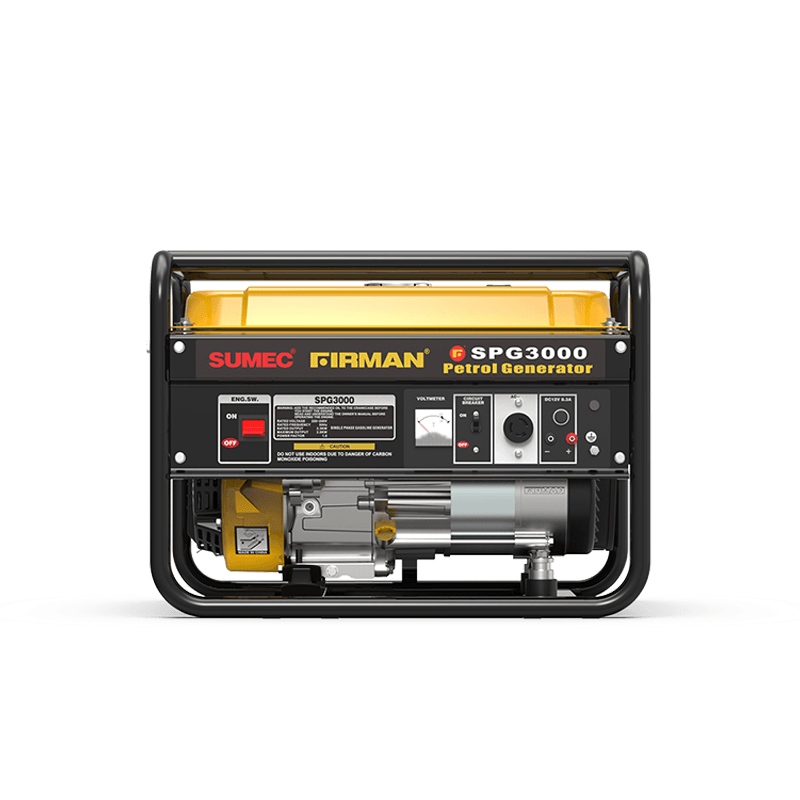
Modern manufacturing partners dispatch regional field engineers to host on-site technical workshops for distributor maintenance teams. Suppliers like Firman recognize that empowering local repair technicians directly reduces catastrophic product return rates across rural sales territories. A manufacturer’s willingness to invest directly in local technical capacity indicates genuine long-term commitment to that regional market.
Capital Allocation for Initial Spare Parts Inventory
Smart wholesale purchasing requires balancing machinery acquisitions with a tailored inventory of critical replacement parts. Distributors who spend their entire working capital allocation on complete machinery leave their service departments completely defenseless against early customer breakdowns. Manufacturers should actively provide algorithmic initial parts recommendations based on empirical historical failure data from comparable markets.
Reliable industrial generator manufacturers frequently incentivize dealers by offering subsidized introductory parts consignments alongside inaugural machinery orders. Consigning specialized diagnostic tools and high-demand overhaul kits protects the dealership’s liquidity during critical market introduction phases. A supplier unwilling to provide structured spare parts provisioning models pushes unnecessary financial volatility onto their regional wholesale partners.
Sourcing from Manufacturers with African Regional Hubs
Geographic distance creates substantial supply chain vulnerability when international sea freight faces chronic shipping lane bottlenecks. Sourcing exclusively from distant global manufacturing facilities often results in four-month lead times for replacement engine blocks and mechanical linkages. Conversely, international brands operating centralized stocking hubs within Africa provide their distribution partners with an unassailable competitive advantage.
Established players such as Firman maintain massive localized distribution footprints and bonded warehouse infrastructure throughout key African commercial corridors. This physical presence enables regional dealers to source bulk assemblies and critical maintenance kits with domestic transit timelines measured in days rather than months. Proximity to manufacturer-backed inventory hubs insulates distributors from debilitating port congestions and unpredictable currency fluctuations.
Evaluating Supply Chain Adaptability to Border Restrictions
Inter-African trade corridors frequently encounter complex customs classifications, sudden import tariff modifications, and stringent inspection mandates. Port authorities in Nigeria and South Africa routinely enforce rigorous pre-shipment certification standards like SONCAP or NRCS compliance. A manufacturer lacking extensive experience with African maritime customs can easily see critical spare parts shipments impounded at port terminals indefinitely.
Experienced power equipment manufacturers understand localized documentation requirements and package replacement components to clear regulatory hurdles without friction.
These suppliers optimize component packing lists, apply correct tariff codes, and provide accredited third-party quality verification certificates proactively. Vetting a prospective supplier’s historical customs clearance track record protects distributors from crippling demurrage charges and dead retail inventory.
A Structured Evaluation Framework for Dealership Agreements
Securing market dominance as an authorized power equipment distributor requires choosing a partner committed to shared operational longevity. Distributors must demand concrete contractual service level agreements covering parts dispatch timelines, warranty reimbursement cycles, and localized technician tooling support.
Inspecting factory production facilities or regional distribution hubs personally reveals whether an enterprise possesses true engineering substance or mere marketing veneer.
Aligning your commercial enterprise with an established industry leader like Firman ensures sustained technical access, proven durability, and unmatched aftermarket stability. Commercial buyers across Africa remain fiercely loyal to equipment brands that can be repaired within twenty-four hours of an unexpected breakdown.
By prioritizing post-sale support over seductive initial discounts, distributors build resilient, profitable commercial enterprises capable of weathering any regional grid crisis.
