
In an era characterized by global logistical disruptions and volatile market demands, manufacturing resilience has become a top priority for B2B enterprises. Traditional supply chains for complex metal components are often lengthy, inflexible, and vulnerable to delays. Procuring a single assembly might involve casting parts in one country, machining them in another, and finally assembling them at a third location.
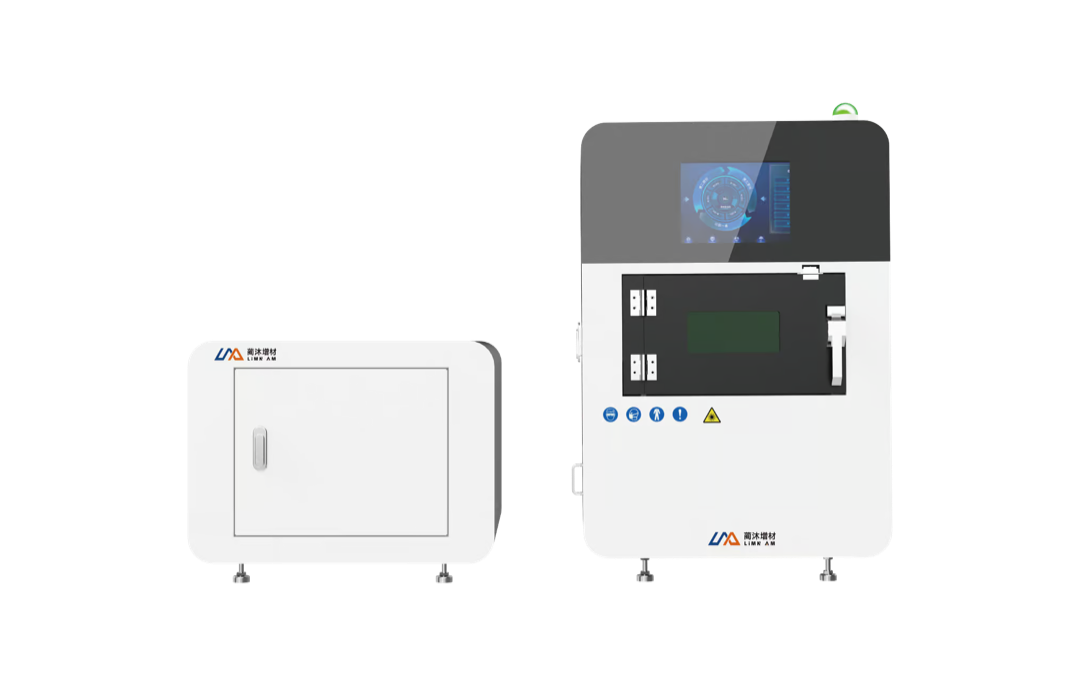
This fragmented approach raises a critical question for procurement managers and engineers: how can modern production technologies fundamentally streamline this process? The strategic deployment of a metal 3d printer industrial system offers a practical pathway to shorten supply chains and localize component manufacturing.

By shifting from centralized, multi-stage subtractive manufacturing to localized, digital additive manufacturing, companies can bypass many of the logistical hurdles that traditionally cause delays.
Decentralizing Production with Digital Inventory
One of the most profound ways metal additive manufacturing impacts the supply chain is by shifting the focus from physical inventory to digital inventory. In a conventional setup, manufacturers must forecast demand and stockpile spare parts or finished components in massive warehouses. This ties up significant capital and incurs ongoing storage costs. If a specific part is out of stock, fulfilling an order might require restarting a complex, multi-vendor production run.
Industrial 3D printing systems enable on-demand manufacturing. Instead of storing physical parts, companies store digital CAD files. When a component is needed, the file can be sent to a printer located near the point of use. This digital approach enables manufacturers to produce parts closer to when and where they are needed, which can reduce reliance on large physical warehousing and cut related logistical overhead.
Eliminating Tooling and Reducing Lead Times
Traditional metalworking processes, such as casting and injection molding, rely heavily on the creation of specialized tooling and molds. Developing this tooling is a time-consuming and expensive process that often represents the longest lead time in a product’s development cycle. For complex aerospace or automotive parts, creating the necessary molds can take months before a single usable component is produced.
A metal 3D printer can bypass conventional tooling requirements. Since the technology builds parts layer by layer directly from a digital model, manufacturers avoid lead time for machined molds or fabricated casting patterns. This direct-to-manufacturing capability drastically reduces the time from final design to physical part. For engineers, this means rapid prototyping can seamlessly transition into end-use part production without the traditional delays associated with tooling adjustments.
Consolidating Multi-Part Assemblies
A significant contributor to supply chain complexity is the need to manage multi-part assemblies. A traditional hydraulic manifold or complex heat exchanger might consist of dozens of individual components, each requiring its own separate manufacturing process, supplier, and delivery schedule. If a single supplier experiences a delay with one sub-component, the entire assembly process stalls.
Advanced digital design techniques, coupled with the capabilities of industrial additive systems, allow engineers to consolidate these multi-part assemblies into a single, unified component. By printing an assembly as one continuous piece, manufacturers can remove the requirement to source, track, and assemble numerous discrete components from separate suppliers. This part consolidation not only simplifies the bill of materials but also significantly reduces the administrative burden on procurement teams.
Real-World Supply Chain Impacts
The practical benefits of shortening the supply chain through additive manufacturing are evident across various demanding sectors. Consider the energy sector, where the failure of a critical turbine component can lead to costly operational downtime. Traditionally, sourcing a replacement part might involve international shipping and weeks of waiting.
By utilizing localized additive manufacturing, an energy company can print the necessary replacement part on-site or at a nearby regional facility. This immediate access to high-performance components minimizes downtime and reduces the logistical risks associated with relying on distant suppliers. Similarly, in mold manufacturing, the ability to rapidly produce complex mold inserts with optimized conformal cooling channels locally allows companies to iterate designs faster and respond more agilely to client demands.
Selecting the Right Infrastructure
Transitioning to a more agile, localized supply chain requires robust technological infrastructure. Companies like LiMN 3D specialize in providing these advanced solutions. As a high-tech enterprise focused on SLM metal laser equipment, they deliver the industrial-grade hardware necessary for reliable, localized production.
Their systems are designed to handle rigorous B2B requirements in aerospace, automotive, and medical fields. By providing comprehensive support, including equipment, custom processing services, and technical training, they enable manufacturers to successfully implement on-demand production strategies. Reliable equipment forms the foundation that allows supply chain managers to trust localized, digital fabrication.
Conclusion
The fragility of traditional, extended supply chains highlights the need for more resilient manufacturing strategies. The integration of industrial metal 3D printing systems directly addresses this need by enabling localized, on-demand production. By transitioning to digital inventories, eliminating the need for complex tooling, and consolidating multi-part assemblies, businesses can significantly reduce their reliance on fragmented global supplier networks. As industries continue to prioritize agility and rapid response times, adopting advanced additive technologies will become a critical component of modern supply chain management.
