
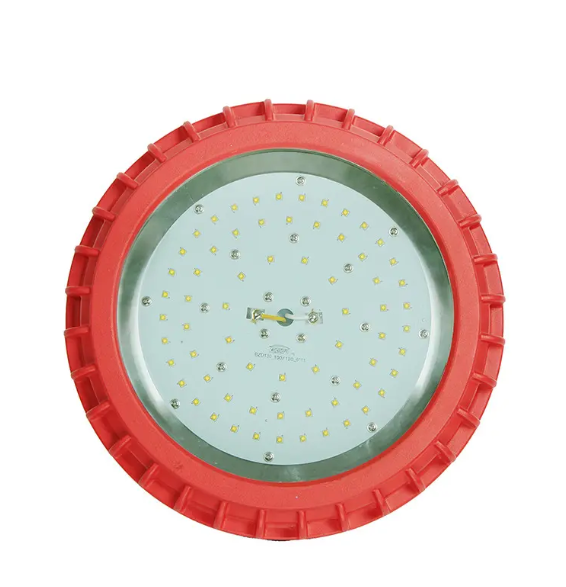
Industrial lighting projects require careful decisions about fixture position, mounting structure, and maintenance access. Choosing an explosion proof LED fixture involves more than checking its lighting performance. The mounting type affects how light reaches work surfaces and how easily technicians can inspect equipment. In hazardous areas, these choices must also fit the site’s classification and installation requirements.
A practical selection process begins with the building layout and the work performed in each area. Ceiling height, support locations, nearby machinery, and cable routes all influence fixture placement. Reviewing these details before installation helps project teams avoid unnecessary adjustments and maintain suitable access for future servicing.
Start With the Physical Layout

Ceiling-mounted fixtures are commonly considered for workshops, process buildings, and service rooms with suitable overhead supports. Their positions should reflect ceiling height, equipment spacing, and the location of work areas. Structural beams, ducts, and pipe racks may block light, so fixture spacing should follow the lighting design rather than a fixed pattern.
Wall mounting can suit corridors, stairways, equipment panels, and work areas beside machinery. The fixture should provide useful illumination without obstructing doors, inspection panels, or normal movement. Its position should also account for shadows around gauges, valves, and other components that operators need to see clearly.
Bracket mounting offers flexibility when light needs to be directed toward a particular area. Pole mounting may be appropriate for open yards, loading zones, and outdoor process facilities. Both arrangements require checks on support strength, vibration, weather exposure, and installation clearance before the mounting method is approved.
Match the Mounting Type to Daily Work
The best mounting position depends on how people use the space. Operators reading instruments need clear visibility near control points. Maintenance technicians may need light around several sides of a pump or motor. Walkways require sufficient coverage to help people identify steps, obstacles, and changes in floor level.
Fixture placement should account for nearby equipment and access routes. A unit installed too close to a pipe rack may leave part of the work area in shadow. A fixture placed beyond convenient reach may also increase the time and equipment required for routine maintenance.
Cable entry is another practical consideration. Installers need enough room to route cables, complete connections, and secure the fixture according to its instructions. Project drawings should identify mounting points and cable paths before construction begins. Coordination between electrical and structural teams can reduce conflicts during installation.
Check the Hazardous-Area Classification
Mounting compatibility alone does not establish whether a fixture is suitable for a hazardous location. Engineers must identify the classified area, the substances present, and the equipment requirements specified for the project. Explosive gas and combustible dust classifications should be assessed separately because their classification systems differ.
The BZD130 Series Explosion-proof LED Lighting from Sunleem EEW is specified for IIA, IIB, and IIC explosive gas zones 1 and 2. Its stated application also covers combustible dust groups IIIA, IIIB, and IIIC in zones 21 and 22. Buyers should compare these conditions with the site’s classification and verify the applicable product documentation before choosing a mounting arrangement.
The complete installation requires attention as well. Cable glands, conduit fittings, stopping plugs, and connection methods must follow the equipment instructions and relevant local requirements. Installers should not modify the enclosure or connection system unless the manufacturer permits the change.
Plan for Inspection and Servicing
Maintenance access should be considered before the mounting position is finalized. Fixtures located above machinery or behind pipework may require additional access equipment. Teams should assess how technicians will reach each unit for inspection, cleaning, and replacement without interfering with normal operations.
Project teams should also consider environmental exposure. Outdoor locations may experience rain, dust, vibration, or temperature changes. The required ingress protection and operating limits should be confirmed from the specific product documentation. These ratings should not be assumed from the mounting type or product category.
Before procurement, buyers should request dimensional drawings, installation instructions, and applicable certificates for the selected model. They should verify electrical ratings, mounting accessories, cable entry arrangements, and maintenance clearances. These checks help contractors prepare suitable supports and avoid changes after equipment arrives on site.
Use Project Conditions to Guide Selection
A suitable mounting type brings together structural compatibility, useful light distribution, hazardous-area requirements, and maintenance access. Ceiling, wall, bracket, and pole mounting each serve different purposes. Comparing them against actual site conditions provides a more reliable basis for planning than choosing by appearance alone. Project teams should also consider installation costs, available support structures, and future maintenance schedules when comparing different mounting options.
For projects considering an explosion proof lamp, documented application limits and mounting instructions should guide the final decision. Sunleem EEW provides the BZD130 Series for the stated gas and combustible dust applications. Buyers can review its technical documentation alongside site drawings to determine whether the product and proposed installation meet project requirements. Early communication with suppliers can also help clarify mounting compatibility, accessory requirements, and documentation needed before procurement begins.
