
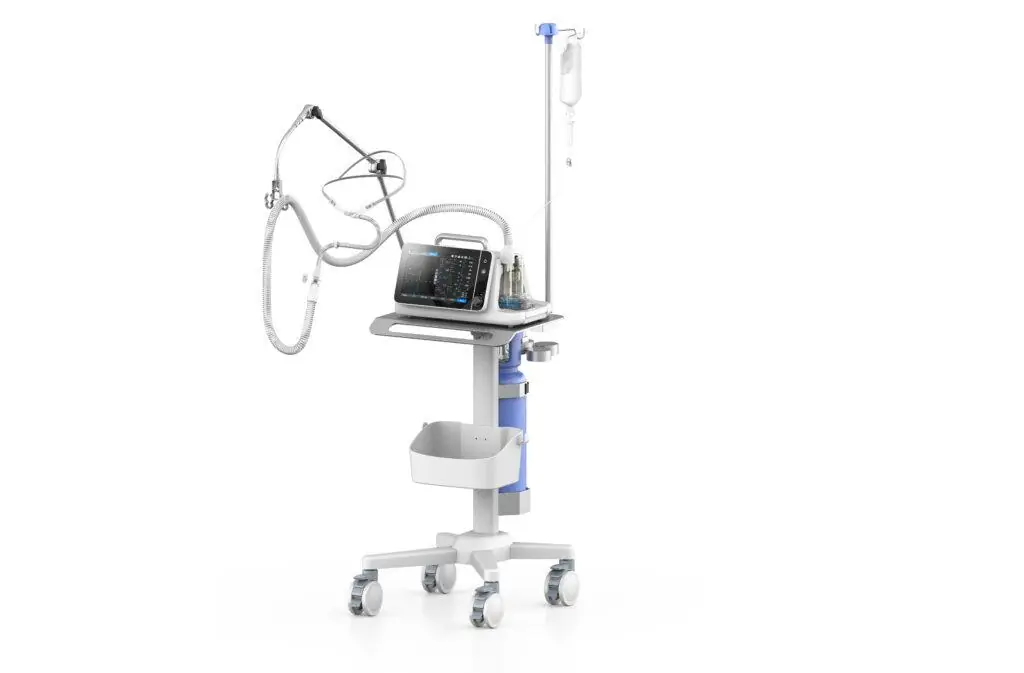
Operating an intensive care environment demands rapid clinical decision-making and continuous physiological monitoring. Respiratory therapists frequently manage patients transitioning between acute respiratory failure and stable recovery phases.
Utilizing a high-capacity medical ventilator allows clinical teams to adapt instantly to fluctuating oxygen demands and changing lung compliance. This professional intervention prevents further diaphragmatic fatigue and secures gas exchange during critical care windows.

When handling complex cases, having immediate access to reliable respiratory support significantly influences patient outcomes. Well-designed institutional platforms ensure that bedside staff can deliver precise care without experiencing technical friction.
Integrating Non-Invasive Ventilation and High-Flow Oxygen Delivery
Traditional clinical care models often require multiple standalone devices to manage separate stages of respiratory support. Moving a patient from intensive non-invasive ventilation to a high-flow nasal cannula involves shifting physical equipment.
Deploying an integrated medical ventilator machine helps streamline this clinical workflow by combining multiple advanced modalities into a single chassis. This consolidated approach allows healthcare providers to maintain continuous care without moving separate bulky units.
Selecting multi-functional hardware improves bedside efficiency while reducing the risk of circuit contamination during setup changes. Seamless technical versatility remains a key goal for modern sub-acute and intensive care departments.
Eliminating Assembly Delays During Critical Mode Transitions
Standard clinical environments face significant operational challenges when medical teams must repeatedly reconfigure patient circuits. Traditional designs treat high-flow oxygen delivery as an auxiliary feature rather than a core function.
Advanced respiratory architecture solves this by incorporating the True Platform, which provides an uncompromised 3-in-1 integration. This specific setup functions unlike any competitor niv machine that offers basic HFNC as an afterthought.
Engineered from the ground up, this system delivers premium NIV performance, precise HFNC therapy, and synchronized Nebulization on one unified ventilator medical device. This comprehensive design eliminates operational delays during sudden clinical adjustments.
Synchronized Aerosol Therapy and Medicine Administration
Administering bronchodilators or targeted medications through a pressurized breathing circuit requires precise timing and volume control. If a nebulizer operates independently of the inspiratory flow, significant amounts of medication can be lost in the tubing.
Integrating a dedicated hardware nebulizer port directly into the primary airflow system resolves this delivery challenge. This structural addition ensures that aerosolization synchronizes perfectly with the patient’s natural inspiratory phase.
Maximizing drug deposition efficiency helps stabilize airway inflammation and bronchospasms much faster. This integrated approach simplifies nurse workloads by eliminating external cords and separate aerosol machines.
Enhancing Physiological Comfort and Mitigating Airway Resistance
Patient tolerance directly impacts the clinical success rate of non-invasive respiratory support. High air velocity combined with insufficient humidification can quickly cause upper airway dryness and localized mucosal discomfort.
Modern integrated platforms utilize advanced flow-tracking software to adjust gas temperature and moisture levels continuously. This responsive climate control mirrors human breathing habits, making the mechanical airflow feel far less intrusive.
Reducing structural resistance during exhalation further lowers the physical workload placed on fatigued thoracic muscles. Protecting the user from fighting against the machine promotes deeper, more restorative rest cycles.
Optimizing Capital Asset Allocation in Modern Healthcare Networks
Hospital procurement departments must continually balance clinical versatility with strict budgetary constraints. Sourcing separate specialized units for inhalation, high-flow oxygen, and nebulization expands maintenance schedules and storage needs.
Adopting integrated multi-mode infrastructure reduces equipment procurement costs significantly for healthcare facilities worldwide. This logistical efficiency helps clinics maximize the utility of each bed space without sacrificing patient care quality.
Streamlining device fleets also simplifies the training requirements for nursing staff and biomedical engineers. Having a single interface across different modes minimizes operational errors and improves institutional safety standards.
Electronic Precision and Manufacturing Workflows in Medical Engineering
Developing multi-functional respiratory hardware requires exceptional electronic stability and precise electronic control systems. Complex software routines depend on high-quality internal circuitry to manage rapid pressure changes safely.
Among these specialized manufacturers, Beyond demonstrates substantial engineering expertise by managing an in-house surface-mount technology production workshop. This specialized capability ensures excellent quality control over every internal microprocessor.
By maintaining strict control over component assembly, production entities supply highly reliable hardware to international medical markets. This engineering foundation is essential for deploying smart diagnostic software in clinical environments.
Regulatory Documentation and Procurement Evaluation Strategies
International medical device distributors rely on extensive verification data when evaluating long-term equipment manufacturing partners. Systems must clear strict performance audits to prove they satisfy international safety rules.
Securing major certifications, including MDR-CE, FDA, and ANVISA, reflects a manufacturer’s commitment to premium quality benchmarks. These international credentials provide procurement managers with peace of mind when sourcing hospital equipment.
Comprehensive warranty structures and direct factory-direct support networks further minimize risk for commercial distributors. Reliable supply channels ensure that healthcare systems have continuous access to vital life-support technologies.
Conclusion
Optimizing respiratory therapy protocols depends heavily on how effectively a medical ventilator adapts to changing patient needs. Utilizing integrated platforms that support smooth modality changes ensures excellent safety and consistent treatment outcomes.
For multi-mode hospital environments, deploying a flexible medical ventilator machine removes unnecessary setup steps and reduces equipment costs. These advanced systems support bedside providers by combining vital therapies into a single interface.
Through precision engineering and direct manufacturing, firms such as Beyond underpin clinical progress. Sustained R&D guarantees that global clinicians benefit from automated, reliable technologies that elevate patient outcomes.
