
In 2026, the Japanese wine market will be shaped by a “quality-over-quantity” mindset that is very advanced. The value of the market is going up because more people are buying premium products, even though overall volume consumption stays the same. More and more Japanese people are moving away from cheap economy bottles and towards the “premium” (¥1,000–¥2,000) and “ultra-premium” (above ¥5,000) segments. This change is most clear in cities like Tokyo, where a very picky group of people is looking for artisanal production methods and unique flavour profiles that tell a story of terroir and craftsmanship.
Scientific interest in health and longevity—a cornerstone of Japanese culture—has also migrated into the glass. The “social but sober” movement has catalyzed a massive 15% growth in organic and low-alcohol alcoholic beverages. Consumers are increasingly scrutinizing labels for minimal intervention, favoring wines produced without synthetic chemicals or heavy additives. This health-centric approach has elevated red organic wine to the most lucrative sub-segment, valued for its high antioxidant content and perceived wellness benefits.
MDfA’s Strategic Regional Insights
To really understand these complex patterns of consumption, you need to look deeper than just the surface of retail data. MDfA (Messe Düsseldorf for Asia) is the main place for international brands to get information about how to get around Japan’s complicated distribution tiers. MDfA is a member of the global MEDICAlliance and ProWein networks. It gives wine producers from all over the world a clear way to match their portfolios with local tastes, like the growing popularity of “orange wines” and high-acid white wines that go well with traditional washoku (Japanese food).

The organization’s role in 2026 is very important for breaking through the “fragmentation barrier” in the Japanese market, where independent wine specialist stores and high-end HORECA (Hotel, Restaurant, and Cafe) channels are the main players in the premium trade. MDfA helps international suppliers find the right partners who know the complicated import rules and the benefits of the EPA (Economic Partnership Agreement) by setting up professional business matching and specialised seminars. This kind of strategic help is what lets a small European or New World winery go from sending one shipment of wine to exporting it to the world’s most demanding beverage market on a regular basis.
ProWine Tokyo 2026: The Centre of New Ideas
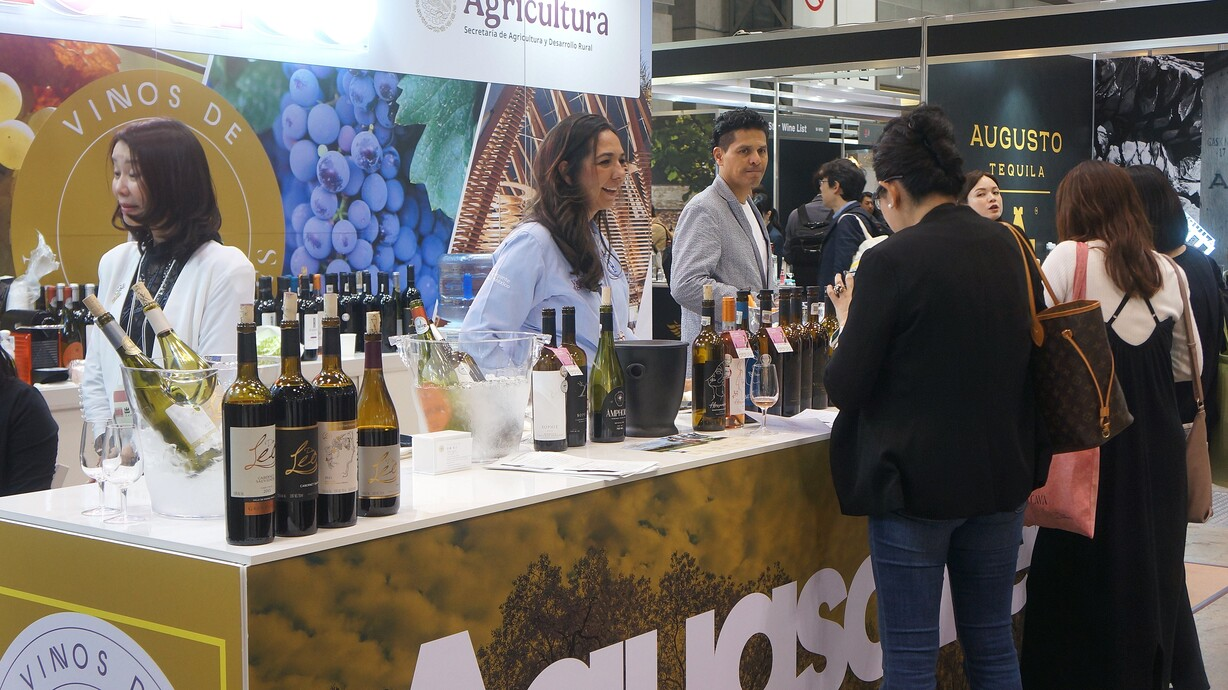
ProWine Tokyo 2026, which will take place from April 15 to 17, 2026, at the Tokyo Big Sight, East Hall, is the best place to see these trends in person. The event is Japan’s only professional trade fair just for wines and spirits. It brings together over 5000 exhibitors and thousands of trade visitors who are ready to buy. Messe Düsseldorf Japan is putting on the 2026 edition, which will focus on “Connected & Conscious Drinking,” a theme that reflects the two main ideas of digital transformation and sustainability.
The expanded “Sparkling Lounge,” which features the fastest-growing wine category in Japan, is one of the best things about 2026. Champagne is still the most prestigious drink, but there is a growing interest in Spanish Cava and artisanal sparkling sake. This shows that people are moving towards more casual, celebratory drinking. Visitors can also check out the “AI Sommelier Zone,” an interactive area where cutting-edge digital systems help restaurant owners improve their wine lists so they can buy better wine and provide better service. These technological integrations show that Japan is at the forefront of combining old-fashioned wine culture with modern digital efficiency.
New Types: From Orange Wine to Canned Forms
ProWine Tokyo 2026 shows that the Japanese palate is becoming more diverse, going beyond traditional bottles. The “Natural Wine” movement, which is known for its earthy profiles and low-intervention processes, has gained a loyal following among Gen Z and Millennial drinkers who value authenticity. This has led to the rise of orange wines (skin-contact whites), which have gone from being sold only in small bistros to being sold in most stores. People like these wines because they can go with a wide range of foods, from light seafood to heavier meat dishes.
The show also shows how packaging has changed in a big way. The canned wine market is growing quickly because people want convenience, portability, and environmental benefits. Single-serve cans of high-quality wine are becoming more popular for outdoor events and casual home drinking. This is especially true for younger people who care about the environment and portion control. At the Tokyo Big Sight, industry professionals can try out the newest “green packaging” and low-ABV products that are changing what it means to be a premium brand in 2026.
In conclusion,
The Japanese wine market is a mature but active ecosystem where old and new ideas work together perfectly. In 2026, global brands will only be successful if they can be open, honest, and offer a clear value proposition. Beverage professionals can effectively get the attention of the world’s most sophisticated consumers by using the strategic platforms offered by MDfA and participating in the curated excellence of ProWine Tokyo 2026.
