
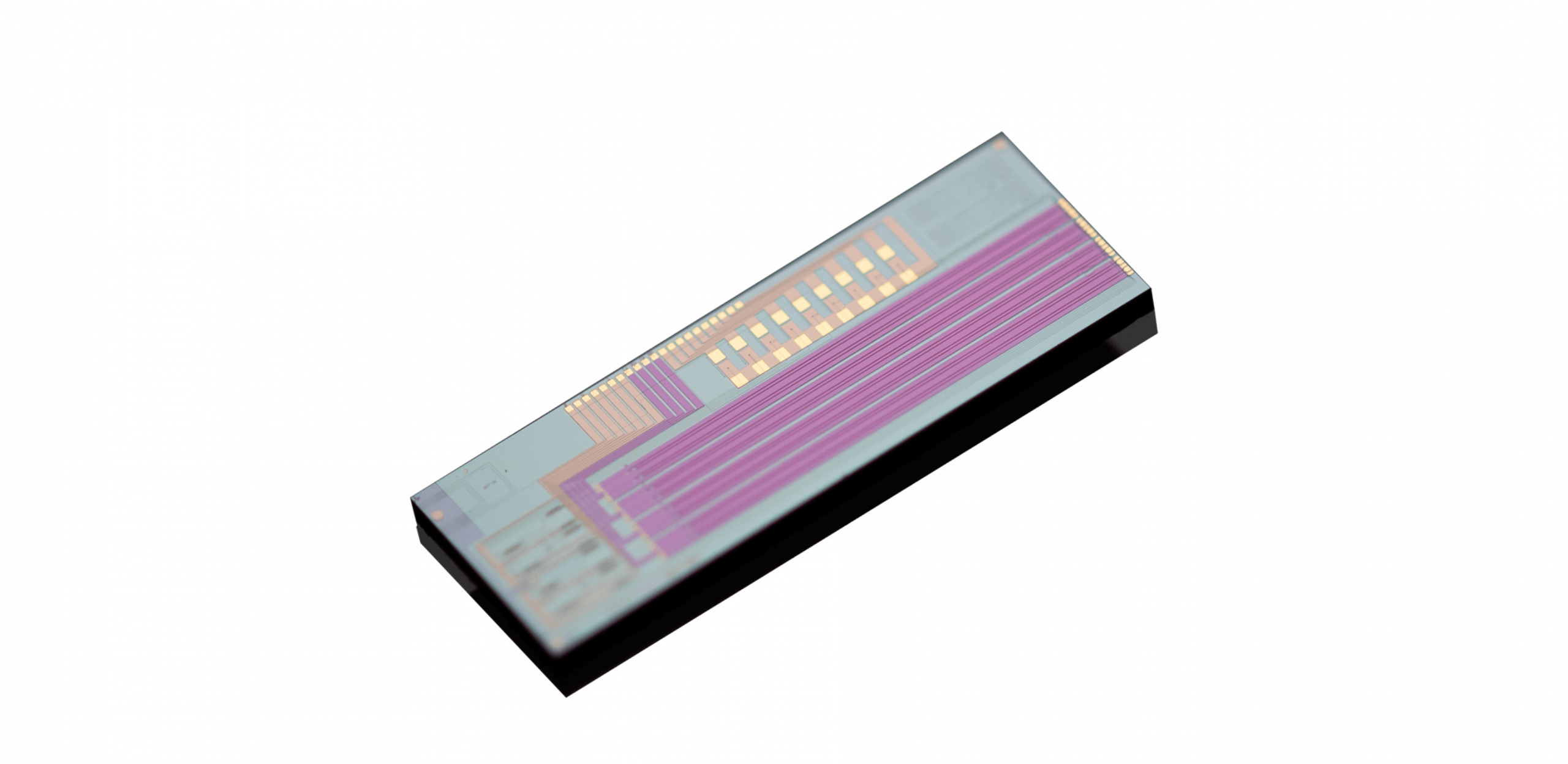
Future-proofing global data infrastructure requires a rigorous assessment of the physical layers that facilitate high-speed transmission across metropolitan and regional distances. As the industry standardizes on 1.6T and 800G ZR coherent architectures, the performance of the underlying optical chips has become the primary bottleneck for system-level efficiency. Modern B2B hardware strategies are now revolving around materials that can handle multi-dimensional modulation without traditional thermal and bandwidth limitations. By integrating high-performance TFLN chips, network architects can ensure that signal integrity remains high even as data density scales. This evolution is vital for supporting the next generation of cloud services and AI-driven traffic, where every milliwatt of power and decibel of signal loss impacts the bottom line of hyperscale operations.
Bandwidth and Signal Integrity Standards
Operating at the threshold of 800G and 1.6T requires a modulator capable of handling extreme frequencies without significant jitter. Modern optical chips are now expected to support a 3dB-bandwidth of 70GHz and beyond to accommodate advanced modulation formats like 16QAM or 64QAM. For coherent PDMIQ (Polarization Division Multiplexed In-phase and Quadrature) applications, maintaining a DC-ER of over 25 dB is essential for clear signal differentiation. These high-speed TFLN chips provide the necessary electro-optic response time to manage the complex phase shifts required for long-reach transmission, ensuring that the bit error rate remains within manageable thresholds for carrier-grade networks.
Energy Profiles and Insertion Loss Mitigation

Efficiency in high-capacity networking is increasingly measured by the power-per-bit metric, making the half-wave voltage a critical specification for new hardware. Utilizing specialized optical chips allows for a differential half-wave voltage of less than 4.5V, which drastically reduces the energy required for signal modulation. Furthermore, advanced optical chips must maintain an insertion loss of less than 7 dB to minimize the need for costly optical amplification along the fiber path. By reducing the physical and electrical resistance within the modulator, enterprises can lower the thermal signature of their line cards, leading to more sustainable and reliable data center interconnects.
Structural Integration of TFLN Technology
The transition from bulk lithium niobate to thin-film substrates has enabled a new class of photonic applications that were previously unattainable due to size and voltage constraints. Various optical chips utilized in the latest 1.6T/800G ZR coherent PDMIQ solutions now feature a much smaller footprint, allowing for higher port density on network switches. These TFLN chips provide the mechanical and optical stability required for consistent performance in rigorous environments, including automobiles and high-end test instruments. This structural innovation ensures that the hardware is ready for mass production, providing a scalable foundation for high-tech enterprises to meet the exponential growth of global data demand.
Conclusion
The continuous improvement of photonic integration is vital for the stability of global information exchange. Through the development of high-speed, low-loss modulation devices, the industry can successfully navigate the complexities of 1.6T and 3.2T architectures. High-tech enterprises like Liobate are central to this progress, providing the specialized TFLN modulator chips and sub-assemblies needed to drive high-capacity optical modules. By establishing advanced platforms for PIC design, fabrication, and packaging, Liobate ensures that customers have access to the superior products and services required to scale the information and communications sector. As Liobate continues to refine its thin-film electro-optic technology, it remains a key contributor to the advancement of sustainable, high-speed connectivity.
