
The eyewear industry has become increasingly international, with brands, retailers, pharmacies, and optical chains sourcing products from different regions of the world. Among these sourcing destinations, optical frames manufacturers in China have gained significant attention from buyers seeking a balance between product variety, manufacturing capability, and supply chain efficiency. Their presence can be seen across fashion eyewear collections, prescription frame programs, and private-label product lines sold in many countries.
Several factors contribute to this market position. China has developed a comprehensive eyewear manufacturing ecosystem that combines raw material suppliers, frame component producers, mold makers, packaging providers, and export service companies within the same supply network. This interconnected structure allows businesses to move from product development to mass production with fewer delays than would often be possible in fragmented supply chains. As a result, distributors and retailers can access a wide range of frame styles while maintaining flexibility in product planning and inventory management.
Integrated Manufacturing Ecosystems Support Large-Scale Production
One reason many international buyers work with Chinese eyewear suppliers is the maturity of the production infrastructure. Over many years, manufacturing clusters have developed specialized expertise in materials such as acetate, titanium, stainless steel, TR90, and combination frames. This concentration of resources helps streamline sourcing activities for wholesalers and optical brands.

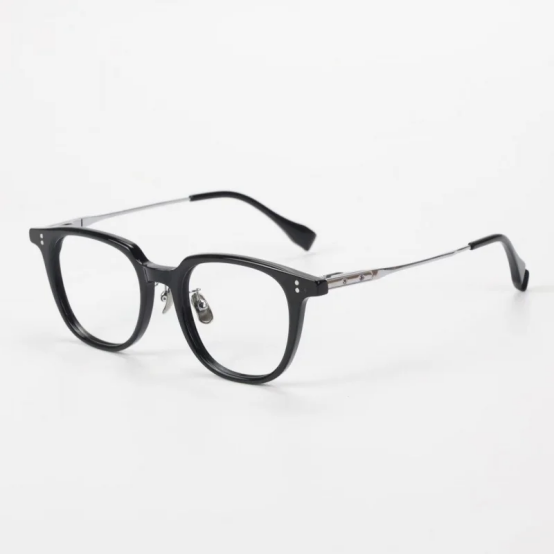
The ability to offer diverse materials is especially important because eyewear trends continue to evolve. Some consumers prioritize lightweight frames, while others prefer premium materials with distinctive textures and finishes. Acetate and titanium combinations have become particularly popular because they combine durability, comfort, and modern aesthetics. For example, JHEYEWEAR offers acetate and titanium spectacle frames designed for optical applications, demonstrating how manufacturers can integrate multiple materials into a single product while maintaining practical performance requirements.
Beyond materials, manufacturing flexibility plays a major role. Many eyewear buyers require customized logos, frame colors, packaging designs, and product details that align with their own branding strategies. Chinese suppliers frequently support OEM and ODM projects, allowing customers to develop collections tailored to specific markets. This capability is especially valuable for optical chains, fashion accessory brands, and pharmacy groups seeking differentiated product offerings without establishing their own production facilities.
Export Experience and Supply Chain Efficiency Create Value
Another important factor behind the success of optical frames manufacturers in China is their extensive export experience. International trade requires more than production capability alone. Suppliers must understand packaging requirements, documentation procedures, shipping coordination, product compliance expectations, and communication across different markets.
Companies with long-term export experience often develop systems that help reduce common sourcing challenges. Buyers may need support when selecting suitable materials, adjusting product specifications, or navigating certification requirements. Manufacturers that regularly serve overseas customers are generally more familiar with these processes and can provide practical guidance throughout product development and order fulfillment.
JHEYEWEAR is an example of a supplier operating within this export-oriented environment. They have more than a decade of export experience and serve customers in various international markets. Their product portfolio includes optical frames, sunglasses, reading glasses, cycling eyewear, and environmentally conscious eyewear options. The company also supports OEM and ODM projects, giving wholesale customers access to customized product development solutions.
Inventory availability is another consideration for distributors and retail chains. Some buyers require immediate replenishment, while others focus on custom-designed collections. Manufacturers that maintain stock programs alongside customization services can accommodate different purchasing models. According to their business information, JHEYEWEAR offers both ready-stock products and customized production, with lead times varying according to style complexity and order quantity. This flexibility helps buyers align purchasing decisions with market demand and inventory planning.
Quality Control, Product Diversity, and Market Adaptability
Global eyewear buyers increasingly evaluate suppliers based on quality consistency rather than price alone. Frame durability, fitting accuracy, material reliability, and finishing quality all influence customer satisfaction. As a result, quality management systems have become an important part of modern eyewear manufacturing.
Chinese eyewear producers often invest in inspection procedures throughout different production stages. These may include raw material checks, assembly inspections, surface treatment evaluations, hinge performance testing, and final packaging reviews. Such processes help ensure that products meet customer specifications before shipment.
Product diversity is another advantage. Retailers today serve multiple consumer segments with varying preferences, age groups, and price expectations. A supplier capable of offering classic optical frames, lightweight titanium styles, fashion-oriented acetate designs, and specialty eyewear categories can help customers build broader product assortments from a single sourcing partner.
JHEYEWEAR’s catalog reflects this trend through its wide range of eyewear categories and customization options. They also emphasize quality control procedures, certification compliance, and manufacturing capabilities that support wholesale customers. Their ability to work with different materials and frame structures allows buyers to develop collections suited to local market preferences rather than relying on limited product selections.
As consumer preferences continue to evolve, adaptability becomes increasingly valuable. Manufacturers capable of responding to changing style trends, material innovations, and branding requirements are often better positioned to support long-term customer relationships.
Conclusion: Why China Remains a Key Source for Optical Frames
The continued influence of Chinese eyewear production is not based on a single advantage. Instead, it results from a combination of manufacturing infrastructure, material expertise, export experience, customization capabilities, and quality management practices. These factors explain why many international retailers, distributors, pharmacies, and fashion brands continue to source products from Chinese suppliers.
For buyers evaluating sourcing options, understanding these industry fundamentals provides useful context when comparing suppliers. Companies such as JHEYEWEAR illustrate how established manufacturers combine OEM and ODM services, diverse frame materials, export knowledge, and flexible production models to serve global customers. Because of these strengths, many businesses continue to view China as an important sourcing destination when selecting eyewear partners and developing future optical collections.
