
A local energy system contains devices that see the same electrical network from very different perspectives. Batteries report state and limits, power converters regulate energy flow, switching devices change electrical paths, and supervisory platforms issue operating objectives.
Without a common coordination layer, those devices can exchange data yet still fail to act as one system. A microgrid controller provides that local coordination function, while the wider microgrid control system turns measurements and operating instructions into synchronized actions across the site.

State Collection Creates the Controller’s Operating Picture
Control begins with knowing what the local system is doing. The controller needs information from power-conversion equipment, batteries, switching devices, and other connected assets before it can coordinate their behavior.
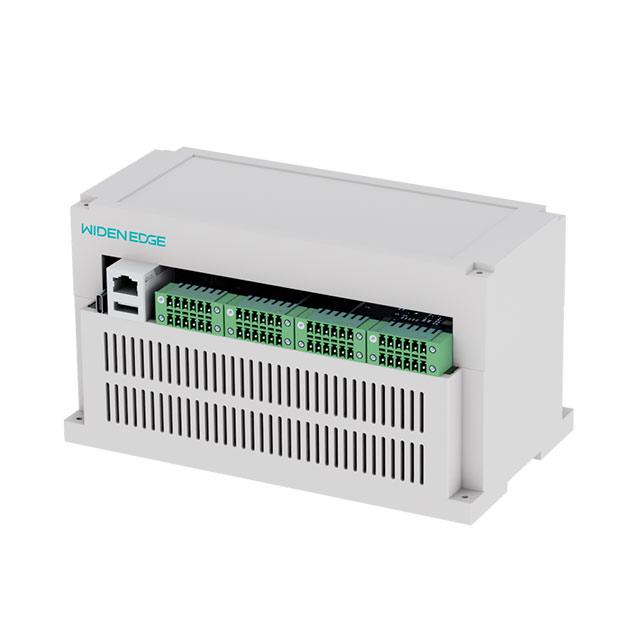
The value of a microgrid controller therefore starts with state collection: measurements and device status form the operating picture used for local decisions and command execution. One implementation of this local coordination role is WidenEdge’s Hub controller.
It supports SunSpec, Modbus TCP, and Modbus RTU communication and can connect multiple groups of BMS devices through configurable BMS protocol files. These interfaces give the controller access to different types of field information without requiring every device to use one identical connection method.
The practical point is not simply protocol variety. A usable operating picture depends on keeping converter status, battery information, and switching states available to the same local coordination layer so that later commands are based on the current system condition.
Coordination Turns Separate Devices Into One Local System
Measurements matter only when they lead to coordinated behavior. In a battery microgrid, power-conversion units may need to follow dispatch commands together, while switches and battery systems remain aligned with the current operating state. The microgrid control system therefore has to coordinate device actions rather than merely display their data.
Scale and timing define part of that coordination boundary: one Hub can manage as many as 32 MGC units, the local CAN link runs at 1MHz, and the stated grid-dispatch-to-power-output response is below 10ms.
Those figures describe a local control layer designed to exchange commands quickly enough for multiple conversion units to respond as a coordinated group rather than as unrelated cabinets. Parallel control also matters for consistency: a site-level power command has to be distributed in a way that keeps the combined response aligned with the requested operating state.
Command Execution Connects Software Decisions to Physical Equipment
A local controller also sits between digital instructions and physical changes in the electrical system. Some commands alter converter output through communications, while others may involve switching equipment.
Physical switching can also enter the control sequence through Hub dry contacts rated to drive high-power switching up to 800A. That distinction is important because a microgrid controller is not simply a monitoring computer. Its purpose includes executing the actions required by the operating logic.
In practice, a control sequence can involve receiving status, evaluating the local condition, issuing a converter command, and changing a switching state so the electrical configuration matches the intended mode. The timing of those steps becomes especially relevant during transitions, when the network topology and required converter behavior may change within the same operating sequence.
Local Autonomy and Upper-Level Management Serve Different Roles
A microgrid may also be connected to an EMS or other supervisory layer that defines energy-management objectives. The local controller does not make that higher layer unnecessary. Instead, the two levels handle different time scales and responsibilities: supervisory management can set operating targets, while local coordination keeps connected equipment aligned with those instructions and current field conditions.
WidenEdge’s Hub includes Web UI access and software-upgrade capability, supporting local configuration and maintenance of the control layer itself. The combination of browser access, standard communication interfaces, fast local response, and multi-unit coordination gives the microgrid control system a local operating foundation even when several device types have to work together.
This division of responsibilities is useful in both grid-connected and islanded operation because higher-level energy targets can change without removing the need for immediate local coordination among the devices already on site.
The Controller Is the Coordination Point, Not the Energy Source
A battery stores energy and a PCS converts it, but neither device by itself defines the operating relationship among all resources. The controller occupies a different position: it collects state, coordinates equipment, executes commands, and maintains the local relationship between field devices and higher-level management.
Its effectiveness is therefore measured through communication coverage, command response, device compatibility, and the ability to keep multiple assets working under one operating logic. Viewed at system level, the Hub’s role is defined by coordinated state, command, switching, and maintenance functions rather than by energy conversion itself.
Consider a microgrid with several storage inverters operating in parallel. Rather than leaving each unit to respond to separate supervisory commands, WidenEdge’s Hub can coordinate up to 32 MGC units under a shared dispatch objective. Its specified response of less than 10ms describes the interval from grid dispatch to power output, helping explain how quickly the coordinated system can act on a new command. Standard communication protocols and configurable BMS access support the exchange of equipment and battery information required for that coordination.
A microgrid controller does not generate the site’s electricity; it provides the local decision and execution layer that lets the rest of the equipment behave like a coordinated energy system.
SEO Title: What Does a Microgrid Controller Do in a Local Energy System? | WidenEdge
Meta Description: Read our latest insights on What Does a Microgrid Controller Do in a Local Energy System? Explore state collection, coordination, and local command execution.
