
Safe autonomous driving depends on how well a vehicle understands its surroundings. In modern systems, perception is achieved through a combination of technologies such as cameras, radar, LiDAR, and GNSS. These components form the foundation of decision-making for autonomous navigation systems. Without reliable sensing, a vehicle cannot interpret road conditions, detect hazards, or execute safe driving actions.
The Role of Sensors in Environmental Perception
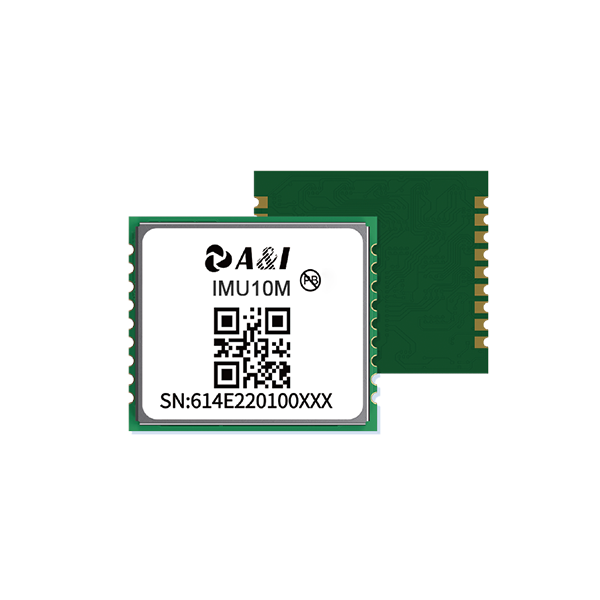
Autonomous vehicles rely on multiple sensor types to capture real-time data from the environment. Cameras provide visual recognition, radar measures object distance and speed, and LiDAR builds detailed 3D maps of surroundings. Ultrasonic sensors support short-range detection, while GNSS and IMU systems assist in positioning and motion tracking.
Each sensor contributes different types of information, which is essential because no single technology can fully capture all driving conditions. For example, optical systems may struggle in low light, while LiDAR performance can be reduced in heavy rain or fog. This makes multi-sensor setups essential for consistent perception.

Why Sensor Reliability Matters for Safety
Autonomous driving systems must operate continuously and accurately in highly dynamic environments. Road users, weather changes, and unpredictable obstacles require fast and precise responses. Sensors provide the raw data that enables these reactions, meaning any error in perception can directly affect driving safety.
To address this, modern systems use sensor fusion, combining data from multiple sources to improve reliability and reduce blind spots. This redundancy helps the system maintain performance even when one sensor is partially degraded or temporarily unavailable.
Connection to Autonomous Navigation
Autonomous navigation depends on continuous interpretation of sensor data to determine vehicle position, route planning, and obstacle avoidance. High-quality sensor input allows navigation algorithms to make informed decisions in real time. When sensors are accurate and well-integrated, the vehicle can maintain stable and predictable movement even in complex traffic scenarios.
Archimedes Innovation Perspective
At Archimedes Innovation, autonomous navigation is built on robust sensing architecture designed to support safe and stable driving decisions. By integrating multiple autonomous driving sensors into a unified perception system, the goal is to ensure that vehicles can interpret their environment with greater consistency across different operating conditions.
Conclusion
Autonomous driving sensors are critical because they form the core perception layer of self-driving systems. They enable environmental understanding, support autonomous navigation, and provide the redundancy needed for safe operation. As autonomous systems evolve, sensor reliability and integration will remain central to improving real-world driving safety.
