
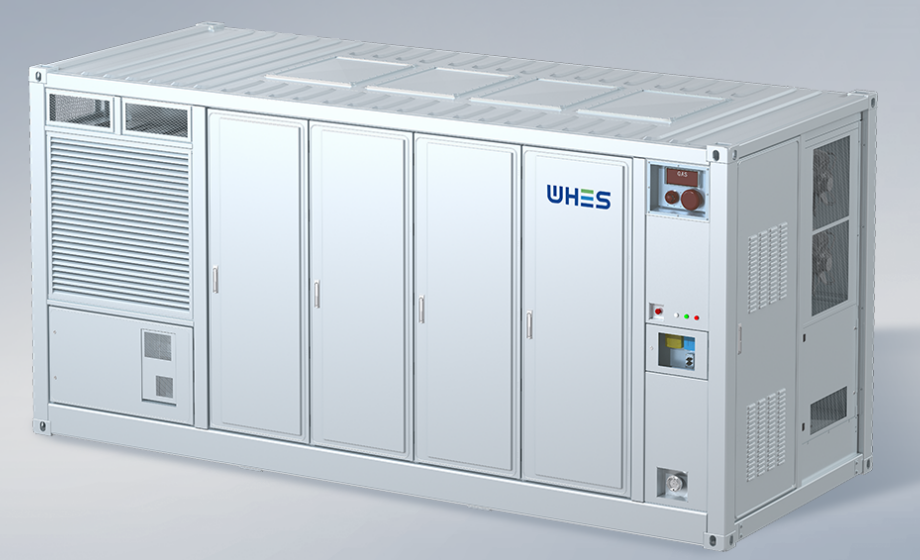
As utility scale battery storage deployments continue to expand across global energy networks, safety and fire protection have become critical design and regulatory priorities. A grid scale BESS operates at high energy densities and is often installed in demanding environments, making compliance with strict safety standards essential. These standards are designed to minimize fire risk, ensure system reliability, and protect both infrastructure and personnel in large-scale energy storage applications.
International Safety Standards and System-Level Fire Protection
A grid scale BESS must comply with multiple international safety frameworks that govern electrical, thermal, and fire performance. Standards such as UL 9540 and UL 9540A are widely referenced for evaluating thermal runaway behavior and system-level fire propagation risks. In addition, IEC standards define requirements for battery safety, installation practices, and operational reliability in utility scale battery storage systems.
Fire protection design in modern systems typically includes layered defense mechanisms such as early detection, suppression systems, and compartmentalized architecture. WHES integrates string architecture into its utility scale battery storage solutions, which helps isolate single-point failures and reduces the risk of system-wide thermal events. This structural design also eliminates SOC imbalance issues, improving both safety and operational consistency in grid scale BESS deployments.

Thermal Management and Operational Safety in Extreme Conditions
Thermal stability is a key factor in maintaining safety for utility scale battery storage systems. High-energy installations must operate reliably under varying environmental conditions while preventing overheating and maintaining consistent performance. Systems designed for extreme environments, such as WHES PA-3.0EU (744–1488kW / 1490–2980kWh), are engineered to deliver full performance up to 50°C without derating.
The all-in-one design of WHES solutions also supports safer installation and commissioning processes. Factory pre-commissioning reduces on-site wiring errors, while integrated system architecture enhances operational safety. Additionally, automatic fluid refill and replacement systems reduce maintenance workload, lowering human intervention risks in grid scale BESS environments.
Enhancing Long-Term Safety and Reliability in Energy Storage
The safe deployment of utility scale battery storage relies on operators and developers making sure the system complies with fire prevention regulations. Superior grid-scale BESS systems are available from WHES, and they include an adaptable design, streamlined maintenance procedures, and a layered safety architecture.
Improved operational security, consistent performance, and less risk are all possible outcomes of utility-scale battery storage that incorporates strong system design with international safety standards.
