
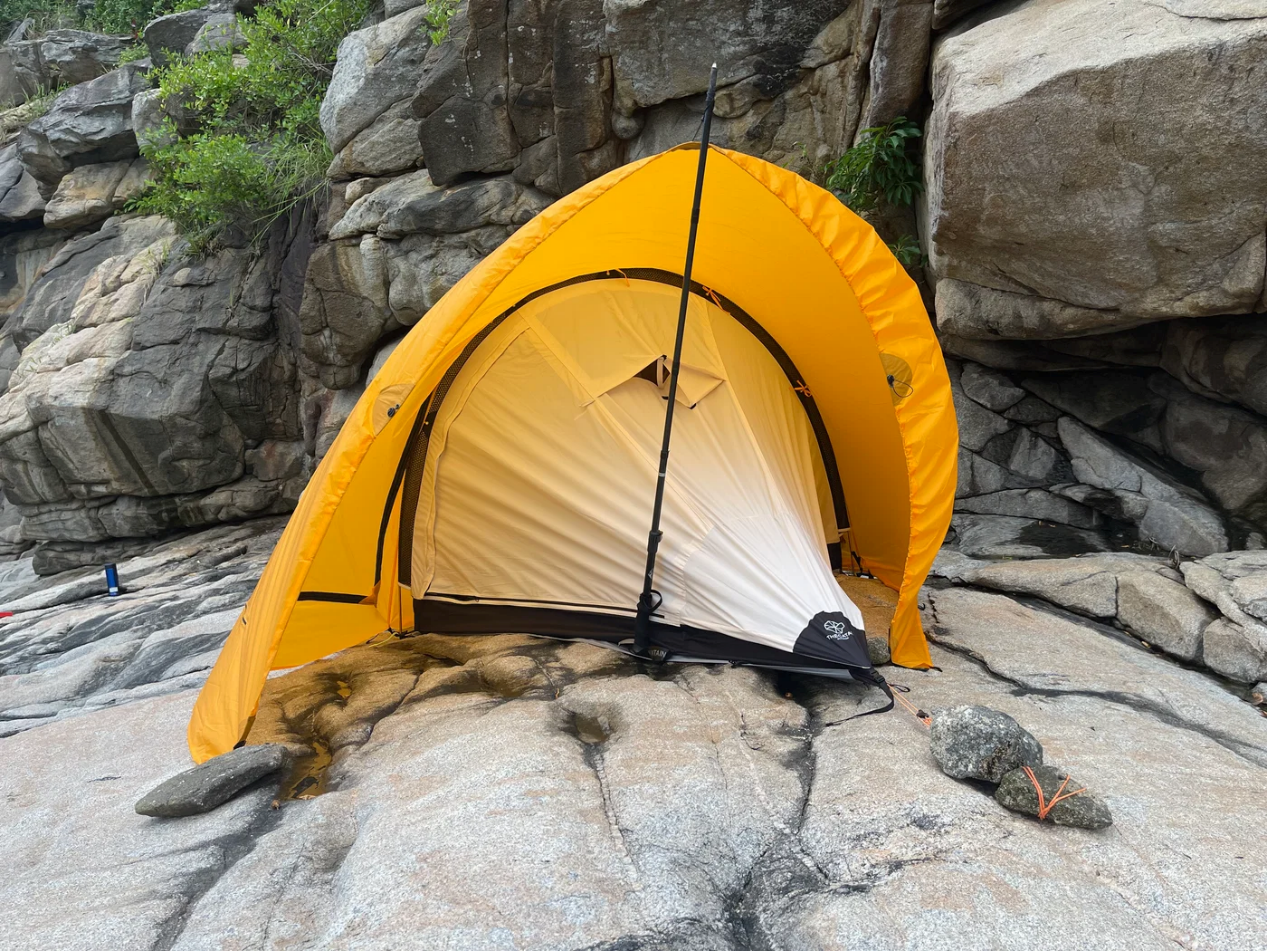
Professional outdoor equipment must perform through repeated trips, changing weather, and regular handling. For this reason, long-term durability should be assessed through material quality, structural integrity, weather resistance, maintenance, and product consistency rather than appearance or price alone. Reliable durability standards help buyers understand whether outdoor equipment is designed for sustained use instead of short-term performance.
What Long-Term Durability Really Means

Durability is not simply the ability of a tent or shelter to survive one difficult trip. It refers to how well the product continues to perform after repeated exposure to environmental conditions, setup and dismantling, storage, transportation, and everyday handling.
Professional users may place greater demands on equipment than occasional campers. Outdoor schools, rental businesses, tour operators, retailers, and frequent backpackers can use the same products many times in a season. Under these conditions, small weaknesses in fabric, seams, poles, cords, or connection points may become significant over time.
A useful durability assessment therefore considers the complete product system. Material performance matters, but so do construction methods, component quality, maintenance requirements, and how the equipment is intended to be used.
The THECATAL outdoor company describes its product development around outdoor technology and equipment intended for different camping environments. Its company information also states that it pursues sustained operational cooperation with production hubs and upstream supply participants, with continuous testing and audits carried out to satisfy its internal standards.
Material Performance Is the First Benchmark
Outdoor fabrics need to withstand moisture, tension, abrasion, and changing temperatures while remaining practical for their intended application. Buyers should therefore look beyond terms such as durable, waterproof, or lightweight and consider whether the manufacturer provides meaningful material information.
ISO 811:2018, for example, specifies a hydrostatic pressure method for determining the resistance of fabrics to water penetration. The standard applies to fabrics intended to be water resistant, showing how measurable testing can provide a more useful basis for evaluating material performance than general marketing descriptions.
For brand outdoor products, buyers can examine fabric type, coatings, construction, intended application, and available testing information. These details help determine whether a material is suitable for the environmental conditions in which the product is expected to operate.
Durability should also be considered in relation to weight. Lightweight construction can improve portability, but reducing material should not create unnecessary compromises in the product’s intended service life.
Structural Strength Matters Over Time
Fabric is only one part of a shelter. Poles, seams, guylines, clips, anchors, and attachment points all contribute to structural performance. Repeated setup can place stress on these components, making construction quality important for long-term use.
ISO 5912:2020 provides requirements and test methods relating to the safety, performance, and fitness for use of camping tents. The standard was reviewed and confirmed in 2025, so it remains current in 2026.
This framework highlights why professional buyers should examine the complete shelter rather than focusing on fabric specifications alone. A durable product needs components that work together under its intended conditions, while clear setup instructions can help users avoid unnecessary stress caused by incorrect assembly.
For commercial users, consistency is equally important. A product that performs well once but varies significantly between production batches can create problems for inventory management and customer satisfaction.
Weather Resistance Should Be Evaluated Realistically
Outdoor equipment encounters unpredictable conditions, but durability standards still need to be connected to expected use. Rain, wind, humidity, temperature changes, and ultraviolet exposure can all contribute to material deterioration.
Water resistance is especially important for shelters, but waterproofing alone does not define long-term performance. Coatings can be worn, seams can experience stress, and fabrics can become damaged through abrasion or incorrect handling.
Professional buyers should therefore distinguish between initial weather resistance and retained performance after repeated use. Questions about material construction, care instructions, testing methods, and expected service conditions can provide more useful information than a single waterproof rating.
THECATAL’s product philosophy emphasizes outdoor technology and product development for different environments. This makes durability evaluation relevant not only at the point of purchase but also throughout the product lifecycle.
Testing and Quality Control Support Consistency
A professional manufacturer needs more than a good product design. Production consistency is essential because durability expectations apply to every unit shipped to customers.
Quality control can involve checking materials, dimensions, stitching, attachment points, hardware, and finished construction. Regular inspection can identify production variations before products enter distribution channels.
Supplier management is also relevant. Manufacturers that maintain communication with factories can respond more effectively when materials or production processes need adjustment. The About Us information from THECATAL indicates that the company works closely with factories and suppliers and conducts testing and audits as part of its standards.
For distributors and retailers, this type of quality process can reduce uncertainty. Consistent products are easier to stock, describe, sell, maintain, and support over time.
Maintenance Is Part of Durability
Even professionally manufactured outdoor equipment depends on correct maintenance. Dirt, moisture, prolonged sunlight, improper storage, and rough handling can shorten the usable life of technical products.
Regular inspection is therefore important. Users can check fabrics, seams, poles, cords, zippers, and connection points before and after trips. Equipment should be cleaned appropriately and dried completely before long-term storage.
For businesses managing large inventories, maintenance records can make this process more systematic. Recording inspections, repairs, usage frequency, and replacement components can help identify heavily used equipment and support more accurate replacement planning.
A durable product is not one that never needs maintenance. Rather, it is a product whose materials and construction can maintain useful performance when properly cared for.
Evaluating Manufacturer Support as Part of Durability
Long-term durability also includes what happens after the initial purchase. Clear warranty information, product documentation, maintenance guidance, and responsive customer support can all influence how effectively an outdoor product remains in service.
For professional buyers, after-sales support can be particularly important because equipment may be purchased in larger quantities and used repeatedly. When a component needs attention, clear procedures can help prevent a minor issue from becoming a larger operational problem.
THECATAL states on its company page that it provides product support and maintains a two-year warranty for its products. Such information can give buyers an additional reference when evaluating long-term ownership considerations.
Build a Practical Durability Standard
The strongest way to evaluate professional outdoor equipment is to consider several factors together: material performance, structural integrity, weather resistance, manufacturing consistency, maintenance requirements, and manufacturer support. The THECATAL approach provides an example of connecting outdoor product development with supplier management and ongoing testing. For professional buyers, the most reliable durability decisions come from examining evidence across the full product lifecycle rather than focusing on one specification.
