
The global energy landscape is undergoing a significant transformation as businesses, utilities, and governments accelerate the transition toward renewable energy. With increasing electricity demand, rising energy costs, and the growing adoption of solar and wind power, energy storage has become a critical technology for improving power reliability and optimizing energy management. Among various solutions, commercial battery storage is gaining attention from industrial enterprises and energy developers because it enables companies to better manage electricity consumption, reduce operational costs, and support renewable energy integration.
For businesses evaluating energy storage investments, understanding the differences between product catalogs, system capabilities, and real-world grid applications is essential. Energy storage is no longer simply a backup power solution; it has become a strategic asset that supports energy efficiency, grid stability, and long-term business value.

The Growing Role of Commercial Battery Storage in Modern Energy Management
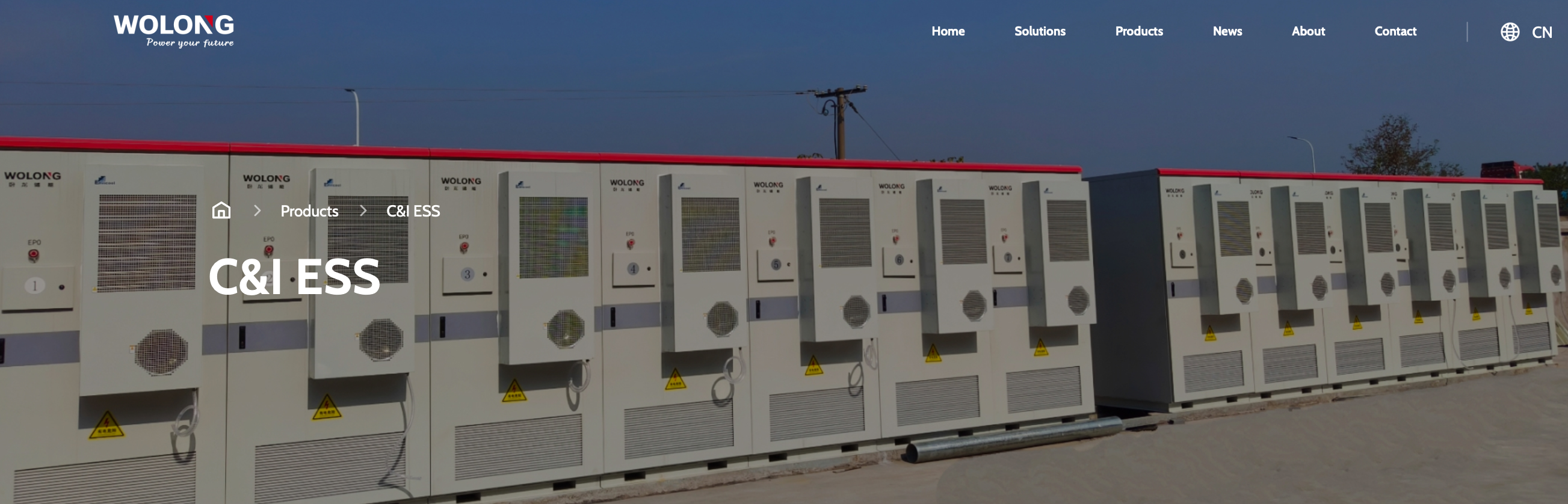
Commercial and industrial (C&I) energy storage systems are designed to help enterprises manage electricity usage more effectively. Large factories, commercial buildings, data centers, and industrial facilities often experience high electricity demand during peak hours, resulting in substantial energy expenses. By storing electricity during lower-cost periods and releasing it during peak demand periods, energy storage systems can support peak-valley arbitrage and improve energy cost efficiency.
Beyond cost savings, commercial battery storage also provides additional benefits, including backup power capability, renewable energy utilization, and improved energy resilience. As more companies integrate photovoltaic systems and other renewable energy sources, storage solutions help overcome the intermittent nature of renewable generation by balancing electricity supply and demand.
For energy-intensive industries, selecting the right storage solution requires careful consideration of battery technology, safety systems, project economics, and long-term operational performance.
How Battery Technology Shapes Energy Storage Performance
Battery technology is one of the most important factors influencing the reliability and profitability of an energy storage project. Lithium iron phosphate (LFP) batteries have become a preferred choice for many commercial and industrial applications due to their strong safety characteristics, long cycle life, and stable performance.
Modern energy storage systems typically integrate multiple components, including battery packs, battery management systems (BMS), power conversion systems (PCS), and energy management systems (EMS). These components work together to monitor battery conditions, control energy flow, and ensure safe operation throughout the system lifecycle.
As an energy storage enterprise, Wolong combines independent R&D with group-wide power electronics expertise to deliver containerized and cabinet-based energy storage solutions for C&I and utility-scale projects worldwide. Through system integration capabilities, they aim to help customers achieve more efficient energy utilization and improve the economic returns of energy storage projects.
From Industrial Applications to Grid-Level Energy Solutions
While commercial and industrial storage focuses on helping businesses optimize their electricity usage, larger energy projects require more extensive solutions capable of supporting power grids and renewable energy infrastructure. A utility-scale battery storage system plays an important role in stabilizing electricity networks by managing fluctuations caused by renewable energy generation.
Utility-scale systems can provide services such as frequency regulation, renewable energy smoothing, peak demand management, and grid support. These capabilities are becoming increasingly important as countries expand renewable energy installations and seek reliable alternatives to traditional fossil-fuel-based power generation.
Unlike smaller commercial systems, utility-scale projects require advanced integration between battery systems, grid connections, monitoring platforms, and safety protection technologies. Developers and grid operators typically evaluate these projects based on factors such as lifecycle costs, return on investment, operational reliability, and scalability.
Wolong has expanded its energy storage capabilities to address different market requirements, supported by dedicated research and development teams, manufacturing facilities, and experience in electrical equipment industries. They provide solutions that connect energy generation, storage, and consumption, helping customers explore new energy management models.
Safety and Economics: Key Considerations for Energy Storage Investment
Safety remains a primary concern for energy storage projects, particularly as systems become larger and more widely deployed. Reliable solutions require comprehensive protection mechanisms, including battery monitoring, thermal management, fault detection, and intelligent control systems.
For industrial customers and project investors, economic performance is equally important. Energy storage investments are often evaluated through factors such as payback periods, electricity price differences, energy leasing models, and potential revenue from grid services.
A well-designed storage project should not only provide technical advantages but also create measurable financial value. This is why businesses increasingly look for suppliers that can provide complete solutions rather than individual battery components.
By combining product development, system integration, and application expertise, Wolong supports customers in designing energy storage solutions aligned with specific operational requirements. Its products are developed to address various scenarios, from industrial energy management to large-scale grid applications.
Building the Future Energy Infrastructure with Integrated Storage Solutions
The transition from traditional energy systems to renewable-based networks requires more than generating clean electricity. Efficient storage, intelligent management, and flexible grid interaction are essential elements of the future energy infrastructure.
From commercial facilities seeking lower electricity costs to utilities requiring grid stability, energy storage technologies are becoming a foundation for modern energy strategies. Understanding the journey from an energy storage product catalog to practical grid applications helps businesses make better investment decisions.
With the expansion of renewable energy markets worldwide, companies with strong technology capabilities and comprehensive solution portfolios will play an increasingly important role. Wolong continues to develop energy storage solutions that support commercial, industrial, and grid applications, helping organizations improve energy efficiency and participate in the global transition toward smarter and more sustainable power systems.
