
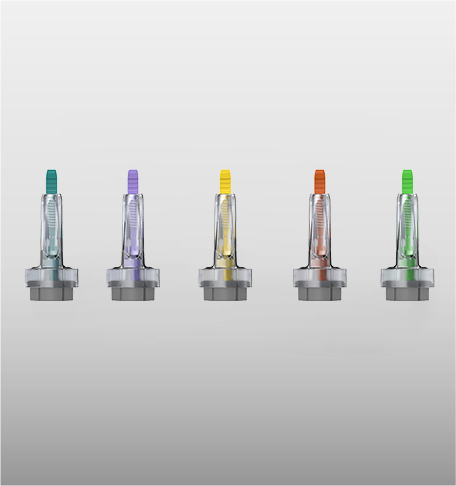
Managing specific chronic conditions frequently demands regular subcutaneous medication delivery. Patients generally rely on specialized injection devices to administer these necessary daily treatments effectively. The disposable attachments utilized for this process might appear largely identical to the untrained eye. However, significant variations in physical dimensions typically exist across the modern medical supply market.
These physical differences are rarely arbitrary. Manufacturers generally engineer diverse sizing options to accommodate a wide array of human anatomies and specific therapeutic requirements. Understanding why these variations exist usually helps individuals make informed decisions about their daily care routines. Selecting an appropriate dimension frequently improves the overall comfort of the medication administration process.

Understanding the Basic Dimensions of an Insulin Pen Needle
The physical profile of an insulin pen needle is typically defined by two primary measurements: length and gauge. These specific dimensions generally dictate how deep the medication is deposited and how swiftly the fluid travels. Healthcare professionals frequently evaluate these two factors when establishing a personalized therapy plan. Finding the optimal balance may significantly enhance daily treatment compliance.
Available pen needle lengths vary by manufacturer and product, with shorter options such as 4 mm widely available. Modern medical guidelines generally favor shorter variations for most standard adult patients. These compact designs usually ensure the medication enters the subcutaneous fat layer rather than the deeper muscle tissue. Avoiding intramuscular delivery is widely considered essential for maintaining predictable medication absorption rates over time.
How Gauge Measurements Impact the Overall Experience
The gauge measurement typically refers to the outer diameter of the metal tubing. This specific industry standard often operates on a reverse numerical scale, which might initially confuse new users. A higher number, such as 32G, generally indicates a thinner profile, while a lower number like 29G suggests a slightly thicker structure.
Thinner profiles are frequently preferred because they generally encounter less physical resistance during skin penetration. This reduced friction often translates into a gentler sensation for the individual receiving the therapy. Conversely, lower gauges might occasionally be recommended to facilitate a faster fluid flow, particularly when delivering larger volumes or dealing with medications of varying consistencies.
When Might a Patient Require a Different Size?
Treatment plans are rarely static, and physiological changes frequently necessitate equipment adjustments. Significant fluctuations in body weight might alter the thickness of the subcutaneous fat layer. In such instances, a medical provider might suggest transitioning to a slightly longer or shorter profile. These tailored adjustments generally help maintain accurate medication delivery despite anatomical shifts.
Additionally, dexterity limitations might prompt a reevaluation of the chosen equipment size. Individuals experiencing reduced hand strength may find certain lengths easier to manipulate securely. Healthcare teams frequently work collaboratively with patients to identify the most manageable options. Prioritizing ease of use generally fosters a safer and more consistent therapeutic environment.
Adapting to Medication Viscosity and Fluid Flow Needs
The specific formulation of the prescribed medication might also influence the optimal equipment choice. Thicker liquids often require slightly more pressure to dispense smoothly. A broader inner channel generally reduces this required thumb pressure. To resolve this, modern engineering frequently employs advanced thin-wall technology, expanding the internal pathway while strictly maintaining a slender exterior profile.
Experiencing persistent medication leakage or increased discomfort during administration might signal the need for a size adjustment. Users who frequently encounter these issues should generally consult their medical team. Recognizing these subtle mechanical cues typically allows for timely interventions, often preventing ongoing frustration with the daily treatment regimen.
Structural Integrity and Manufacturing Excellence
Regardless of the selected size, maintaining structural integrity during insertion is generally critical. Premium medical devices frequently utilize high-grade materials, such as 304 stainless steel, to prevent unwanted bending. This specific alloy is widely recognized for its durability. Reliable materials usually ensure that the tip remains perfectly aligned, potentially preventing localized tissue trauma.
Furthermore, maintaining consistent compatibility is typically essential when exploring different dimensional options. Devices rigorously tested according to ISO 11608-2 standards generally offer broad interoperability. This specific international certification usually facilitates secure connections with a vast array of commercial injection pens. Standardized compatibility frequently prevents frustrating mechanical failures during the delivery process.
The Role of Trusted Manufacturers Like SteriLance
Exploring diverse equipment profiles frequently leads buyers to seek established industry leaders. Reputable organizations generally invest heavily in comprehensive quality control infrastructures. These substantial ongoing investments typically translate into highly consistent product performance, regardless of the specific dimensions chosen. Consistent reliability usually remains a top priority for individual users and bulk institutional buyers alike.
For instance, SteriLance is frequently recognized for engineering practical solutions that integrate seamlessly into daily therapeutic routines. Their commitment to stringent international manufacturing protocols generally provides users with an added layer of confidence. Partnering with a dedicated supplier typically reduces the practical uncertainties often associated with routine medical equipment procurement.
Ultimately, navigating the wide variety of available needle dimensions does not have to be an overwhelming task. By understanding the distinct roles of length and gauge, individuals can confidently discuss their unique requirements with their healthcare providers. Selecting the optimal size not only minimizes physical discomfort but also significantly empowers patients to maintain long-term consistency in their daily treatment regimens.
Disclaimer: This content is provided for general health education and informational purposes only. It does not constitute medical advice, diagnosis, or treatment. Individual health conditions vary, and no health education article can replace a face-to-face consultation with a qualified healthcare professional or licensed medical institution. If you have specific health concerns or feel unwell, please seek care from a licensed medical facility and do not delay treatment because of content on this platform.
