
Large-scale LED displays have become essential visual tools for concerts, sports venues, command centers, exhibitions, broadcast studios, and commercial spaces. However, creating a seamless and high-quality image across a massive LED wall requires more than LED panels alone.
Behind every impressive large-format display is a powerful processing system responsible for managing signals, optimizing images, and controlling screen layouts. LED video wall processors play a critical role by connecting various video sources with complex LED display systems while ensuring accurate and stable visual performance.

Understanding what these processors do helps businesses and project designers select the right technology for demanding display environments.
The Main Role of LED Video Wall Processors
The primary function of LED video wall processors is to receive, process, and distribute video signals to large LED displays. They act as the central control unit between input sources and LED screens, transforming different video formats into signals that the display system can correctly present.
In large-scale projects, content may come from cameras, computers, media servers, or broadcast equipment. The processor manages these different sources and ensures that the final image appears correctly on the LED wall.
For example, a stadium display may need to combine live camera feeds, advertisements, scores, and graphics simultaneously. A professional processor allows operators to organize these elements efficiently and maintain smooth playback throughout an event.
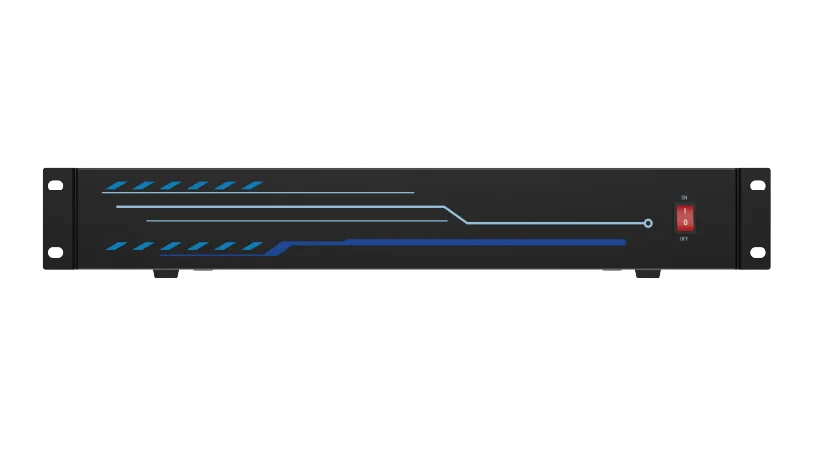
Kystar provides professional video processing solutions designed for large LED applications, including video wall processing systems that support complex signal management and high-quality display control.
Signal Processing and Image Optimization
One of the most important functions of LED video wall processors is improving image quality before signals reach LED modules. Large displays often require precise processing because even small image problems can become noticeable when content is expanded across a huge screen.
Processors handle tasks such as scaling, signal conversion, image adjustment, and display synchronization. These functions ensure that different input sources maintain consistent brightness, color, and clarity.
For high-end LED installations, advanced processors can support ultra-high-definition signal processing. Kystar’s professional splicing processors are designed for large visual systems and support advanced processing capabilities, including high-resolution signal handling and flexible output configurations.
This capability is especially valuable for fine-pitch LED displays, where detailed images and accurate color reproduction directly influence viewing quality.
Managing Multiple Screens and Complex Layouts
Large-scale LED projects often involve multiple screens, irregular shapes, or creative display structures. A processor helps operators divide, combine, and arrange content across different display areas.
For example, an event stage may include a central LED wall, side screens, and special-shaped displays. Instead of sending separate content signals manually, a processor can manage these screens as one coordinated visual system.
Advanced processors provide flexible layer management, allowing users to resize, position, and overlay multiple video sources. This creates more possibilities for creative stage designs and immersive visual experiences.
Kystar’s splicing processor solutions support multi-layer management, enabling dynamic window layouts and flexible content positioning for professional display environments.
Supporting High-Resolution and Large Pixel Capacity
As LED displays continue becoming larger, processing capacity becomes increasingly important. A small processor designed for basic screens may not handle the pixel requirements of stadium walls, broadcast backgrounds, or large command centers.
Modern LED video wall processors need sufficient input and output capacity to support high-resolution content without reducing image quality. They must process large amounts of visual data while maintaining smooth operation.
For example, Kystar’s SEn and SHn series splicing processors are developed for large-scale applications, offering high-resolution processing and large output capacity suitable for professional display projects.
This allows system designers to create larger LED installations while maintaining image consistency across the entire screen.
Ensuring Synchronization and Seamless Display Performance
Synchronization is another key responsibility of an LED processor. When a large LED wall consists of thousands or millions of pixels, every section must update at the same time to avoid visual problems such as tearing or inconsistent frames.
Professional processors provide synchronization functions that help multiple display units work together as a single image surface.
This is particularly important in live performances, where delayed or mismatched images can affect the audience experience. Whether used for stage backgrounds, virtual production environments, or broadcast studios, precise synchronization ensures professional results.
Improving System Flexibility for Different Applications
A major advantage of modern processing systems is their adaptability. Different industries have different display requirements, and processors must support various workflows.
In control rooms, processors help operators monitor multiple information sources on large display walls. In exhibitions, they allow creative content presentations. In entertainment venues, they support dynamic visuals and real-time switching.
The flexibility of a processor allows one LED display system to handle multiple applications instead of being limited to a single purpose.
Kystar develops display control technologies for various scenarios, including command centers, conference rooms, stage performances, exhibition halls, and other professional environments.
Choosing the Right Processor for Large LED Displays
Selecting the correct processor depends on several factors, including screen size, resolution requirements, number of input sources, and desired content effects.
Project teams should consider whether the processor supports the required video formats, output capacity, and future expansion needs. For large installations, scalability is especially important because display systems may need upgrades over time.
A suitable processor should also provide reliable operation and convenient management features. Easy configuration and efficient control reduce installation complexity and improve daily operation.
Conclusion
LED video wall processors are the foundation of modern large-scale LED display systems. They manage video signals, improve image quality, control complex layouts, and ensure that massive screens deliver smooth and accurate visuals.
From entertainment stages and sports venues to commercial displays and command centers, these processors make it possible to transform multiple video sources into a unified visual experience.
As LED technology continues advancing, professional processing solutions will remain essential for achieving higher resolutions, more creative layouts, and more reliable display performance. With advanced video processing capabilities, Kystar supports customers in building efficient and impressive large-format visual systems for a wide range of applications.
